
Looking for wholesale pest control supplies to expand your business? Learn how to evaluate suppliers, compare pricing, choose products your customers need, and build a profitable inventory.
Finding the right pest control products at wholesale prices can help your business expand its offerings, attract new customers, and create additional sales opportunities.
But choosing a wholesale supplier involves more than finding the lowest price.
Retailers, online stores, hardware businesses, garden centers, and pest-control professionals need products that fit their customers’ needs, dependable fulfillment, clear product information, and pricing that supports a sustainable business.
Whether you’re adding pest-control products to an existing store or launching a new product category, understanding how wholesale purchasing works can help you make better inventory decisions.
Here’s what to consider before choosing a supplier and investing in wholesale pest control supplies.
1. Understand What Wholesale Pest Control Supplies Include
Wholesale pest control supplies cover a broad range of products designed to help customers prevent, manage, or address pest problems.
Depending on the supplier, these may include:
- Electronic pest deterrents
- Ultrasonic rodent repellers
- Outdoor animal deterrents
- Traps and monitoring equipment
- Exclusion materials
- Pest prevention accessories
- Chemical pest-control products
Not every business needs to carry every category.
A hardware store may benefit from products designed for garages, homes, and yards. An automotive accessories retailer may be more interested in preventing rodent damage to parked vehicles.
A garden center may prefer outdoor pest deterrents and products designed for lawns and landscaping.
The best wholesale inventory is built around the problems your customers are trying to solve.
2. Identify Your Customers Before Choosing Products
Before ordering wholesale pest control supplies, consider who will purchase them.
Are your customers homeowners, vehicle owners, gardeners, farmers, or property managers?
Each group has different pest-control concerns.
Homeowners
Customers may be looking for ways to discourage mice, rats, and other unwanted pests from indoor spaces.
Vehicle and RV Owners
Rodents can enter parked vehicles and damage wiring, hoses, and insulation. Products designed for engine compartments may appeal to customers who store vehicles for extended periods.
Gardeners and Property Owners
Outdoor pest activity can affect lawns, gardens, landscaping, and other areas around a property.
Farms and Rural Properties
Agricultural and rural customers may need products suited to outdoor environments, storage buildings, and equipment.
Understanding these needs makes it easier to select products, explain their intended uses, and avoid investing in inventory that doesn’t fit your audience.
3. Compare Wholesale Pricing and Your Actual Profit Margin
Wholesale pricing is important, but the lowest purchase price doesn’t always produce the best business result.
Before placing an order, calculate the full cost of bringing a product into your inventory.
Consider:
- Wholesale unit price
- Shipping and freight charges
- Minimum order requirements
- Packaging and handling costs
- Marketplace or payment-processing fees
- Expected returns and warranty-related expenses
- Advertising and customer acquisition costs
For example, imagine a product with a retail selling price of $49.95.
If your wholesale cost is $27.95, the difference is $22.00 before other expenses.
That represents an approximate 44% gross margin before shipping, fees, returns, and overhead.
The final profit will depend on your actual selling costs.
Always calculate your landed cost and expected margin before committing to a wholesale order.
4. Choose a Wholesale Supplier You Can Depend On
A strong supplier relationship can help your business manage inventory, answer customer questions, and maintain consistent product availability.
Before choosing a wholesale pest-control supplier, ask:
How long has the company been in business?
An established operating history can be useful when evaluating a supplier’s experience.
Where are orders fulfilled?
Knowing where inventory ships from can help you estimate delivery times and plan replenishment.
What happens when a product is out of stock?
Ask about availability updates, expected replenishment dates, and how backorders are handled.
Is product training or technical support available?
Electronic pest deterrents can require more explanation than ordinary household accessories.
A supplier that provides clear installation instructions, product specifications, and customer support can make these products easier to sell.
What are the warranty and return policies?
Understand what is covered, what isn’t covered, and how customers should request assistance.
Are there restrictions on where products can be sold?
Some wholesale programs have rules regarding online marketplaces, advertising, or distribution channels.
Review those requirements before applying.
5. Consider Chemical-Free Pest Deterrent Products
Many consumers are interested in pest-control options that don’t require distributing poisons or chemical sprays.
Electronic deterrents are one product category retailers may consider offering.
These devices can use technologies such as ultrasonic sound, vibration, or flashing lights, depending on the product and its intended application.
However, no single pest-control method is appropriate for every situation.
Results can vary with pest species, placement, surrounding conditions, and the extent of an existing infestation.
Electronic deterrents are best presented as one possible component of a broader pest-management approach that may also include sanitation, exclusion, inspection, and professional treatment when necessary.
For retailers, it’s important to understand exactly what each product is designed to do rather than promising that one device will eliminate every pest problem.
6. Wholesale Pest Control Products Worth Considering
If you’re expanding your inventory, consider offering products for different locations and customer needs.
Good Life offers electronic pest-deterrent products for vehicle, indoor, and outdoor applications.
Here are four products that may be relevant to your business.
UltraSweep Traveler: Rodent Deterrence for Vehicles
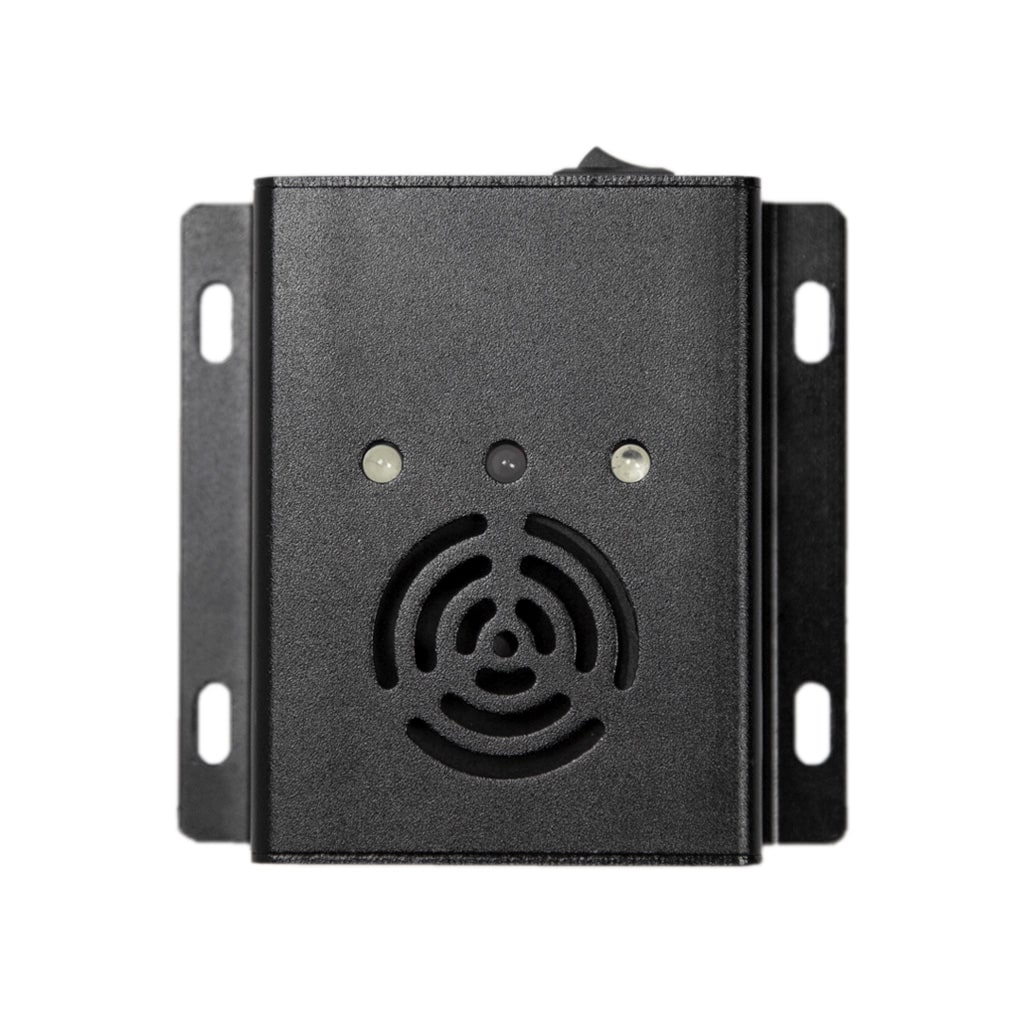
Rodents can create expensive problems when they enter vehicle engine compartments and chew wiring or other components.
The UltraSweep Traveler is designed for compatible vehicle applications and combines fluctuating ultrasonic sound with flashing LED lights to help discourage rodents from settling in protected vehicle spaces.
It is intended to operate while the vehicle is parked and enter standby when the engine is running.
Potential retail customers include owners of cars, trucks, RVs, and certain types of stored equipment.
Retail opportunity: Automotive accessory stores, RV businesses, hardware retailers, and rural supply stores.
The Guardian: Outdoor Animal Deterrence
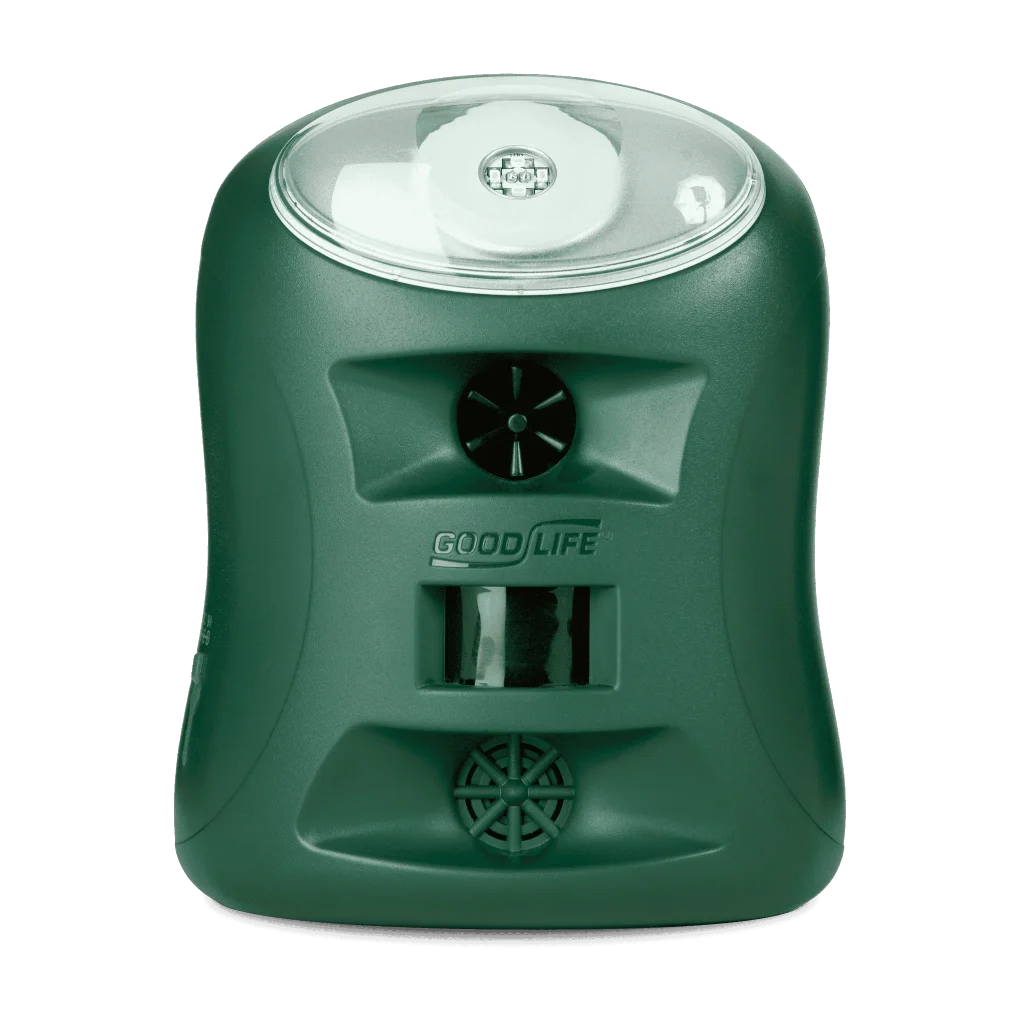
Outdoor pest problems can affect gardens, yards, and areas around buildings.
The Guardian is an outdoor sound-based animal deterrent that uses sonic, ultrasonic, and predator-call patterns.
It is intended for selected outdoor animal-deterrence applications, making it relevant to customers looking for nonchemical ways to discourage unwanted wildlife activity.
Retailers should review the supported animal types and placement recommendations before making claims about particular pests.
Retail opportunity: Garden centers, hardware stores, and outdoor property supply retailers.
Solar SafeGuard: Solar-Powered Outdoor Deterrence
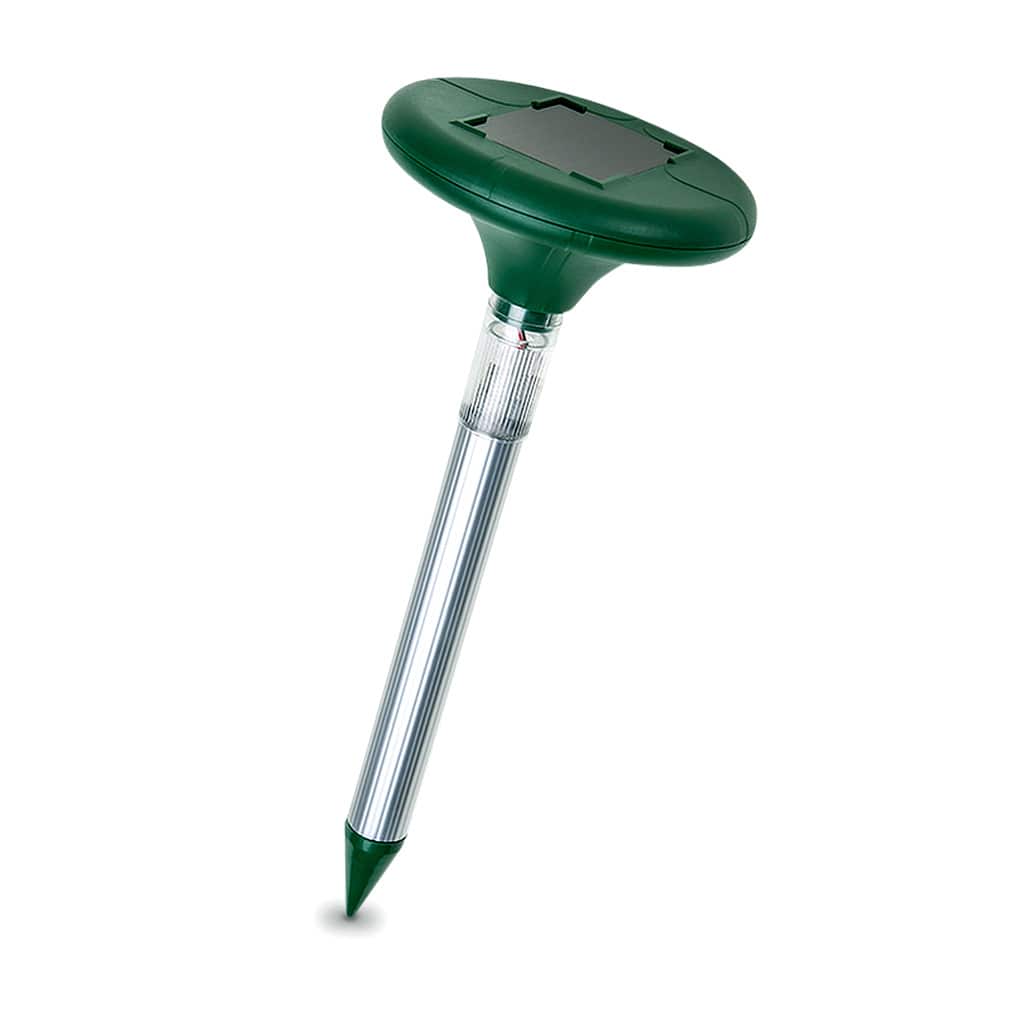
Solar SafeGuard is designed for outdoor use and combines underground vibration with ultrasonic sound.
Its solar-powered design may appeal to customers looking for a product that doesn’t require a nearby electrical outlet.
The product is intended for selected burrowing and outdoor pest applications.
As with other deterrents, effectiveness depends on the target pest, placement, and surrounding conditions.
Retail opportunity: Garden centers, landscaping suppliers, and rural hardware stores.
Pest Repeller Ultimate AT: Indoor Pest Deterrence
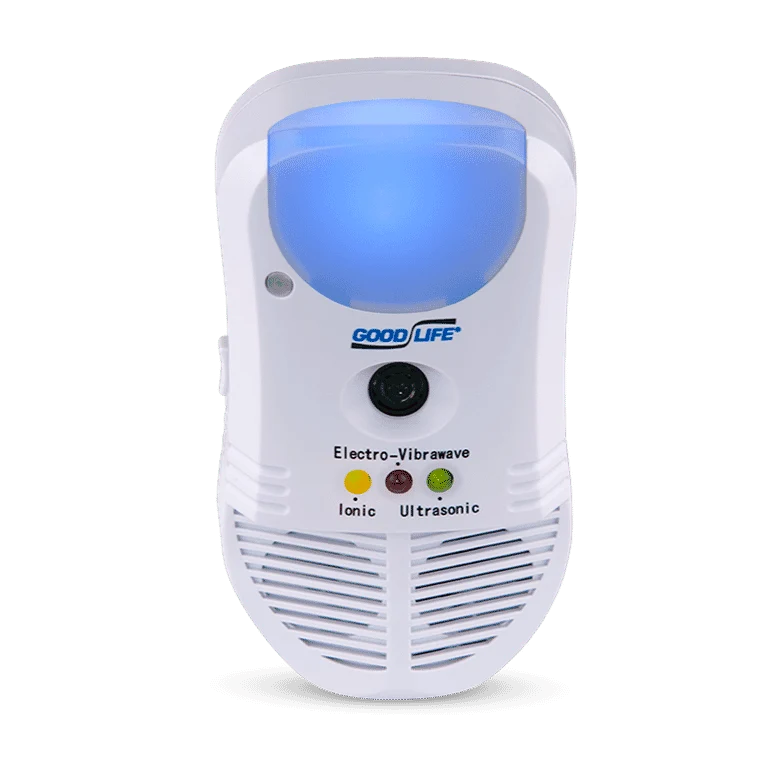
Pest Repeller Ultimate AT is designed for indoor pest-control applications.
It offers pest-specific settings intended for different types of pest activity.
This makes it a potential inventory option for retailers serving homeowners who want an electronic, chemical-free deterrent to consider as part of their pest-prevention strategy.
Retailers should explain appropriate placement and realistic expectations rather than claiming guaranteed elimination of an existing infestation.
Retail opportunity: Home improvement stores, household product retailers, and online pest-control stores.
7. Don’t Overlook Product Education and Customer Support
When customers purchase electronic pest-control products, they may have questions about installation, placement, power requirements, and expected results.
Providing clear information before purchase can help customers choose a more suitable product.
For example, a customer experiencing rodent damage in a vehicle needs a different solution than someone dealing with burrowing animals in a garden.
Likewise, an indoor electronic pest deterrent shouldn’t be marketed as a replacement for professional help with a serious infestation.
Retailers benefit when product descriptions accurately explain:
- Intended application
- Supported pest types
- Power requirements
- Placement considerations
- Maintenance needs
- Limitations
- Warranty coverage
Accurate information helps establish trust and can reduce avoidable returns.
8. Plan Your Inventory Around Seasonal Demand
Pest activity and consumer buying patterns can vary throughout the year.
Warmer months may increase interest in outdoor property and garden products, while cooler weather can bring greater attention to rodents entering buildings or sheltered vehicle spaces.
However, demand varies by region, climate, and pest species.
Rather than assuming that one season is always the busiest, review your sales history and the needs of customers in your area.
Plan wholesale orders early enough to account for shipping and replenishment times.
If you’re introducing a new product category, consider starting with a manageable assortment and expanding based on actual demand.
9. Understand Wholesale Terms Before You Place an Order
Before becoming a dealer, ask your supplier about the practical details of the wholesale relationship.
Important questions include:
Minimum orders: Is there a minimum opening order or reorder quantity?
Wholesale pricing: How are dealer prices established, and are there volume discounts?
Shipping: Where do products ship from, and who pays freight?
Payment terms: When is payment due?
Returns: What happens if merchandise arrives damaged or defective?
Product availability: How are stock shortages communicated?
Sales channels: Are there restrictions on marketplaces or third-party websites?
Marketing materials: Are approved product photos, descriptions, and sales resources available?
Having these answers before ordering makes it easier to calculate costs and build a sustainable product assortment.
10. Why Consider Good Life as Your Wholesale Supplier?
Good Life has been developing and selling pet and pest-control solutions since 2002.
Based in Southern Oregon, the company offers electronic pest-deterrent products designed for everyday challenges involving vehicles, homes, yards, and outdoor properties.
Good Life’s wholesale program offers businesses access to a selection of pet and pest-control products, dealer pricing, U.S.-based customer support, and fulfillment from its Oregon operation.
For retailers, the opportunity is to add products that address recognizable customer problems without relying exclusively on traditional chemical pest-control categories.
Wholesale Benefits to Explore
- Access to Good Life’s pest and bark-control product lines
- Wholesale pricing for approved dealers
- U.S.-based customer service
- Product information and sales resources
- A direct relationship with an established supplier
- Options for different retail customer needs
Dealer pricing, availability, ordering requirements, and sales-channel restrictions should be confirmed through the wholesale program.
Interested in Becoming a Good Life Dealer?
Whether you’re expanding an existing store or exploring a new pest-control product category, our team can help you learn more about available products and wholesale opportunities.
EXPLORE GOOD LIFE’S WHOLESALE DEALER PROGRAM
Wholesale Pest Control Supplier Checklist
Before committing to a wholesale supplier, make sure you can answer these questions:
- Does the product fit my customers’ needs?
- Have I reviewed the wholesale price and expected profit margin?
- Do I understand the minimum order requirements?
- Can the supplier provide accurate product specifications?
- Are warranty and return policies clear?
- Do I understand shipping costs and fulfillment timelines?
- Are there any restrictions on where I can resell the products?
- Is customer and technical support available?
- Can I obtain approved product photographs and marketing materials?
- Have I considered how the products fit my existing inventory?
Frequently Asked Questions About Wholesale Pest Control Supplies
Where can I buy pest control products wholesale?
You can find wholesale pest-control products through manufacturers, authorized distributors, specialized wholesale suppliers, and business-to-business dealer programs. Start by identifying the types of products your customers need and contacting suppliers directly to request their wholesale requirements.
Do I need a business license to buy wholesale pest control supplies?
Requirements vary by supplier, product type, and location. Some suppliers may request business registration or resale documentation. Businesses selling or applying regulated pesticides may also need additional licenses or certifications. Check the rules that apply to your location and product category.
Are electronic pest repellers suitable for resale?
Electronic pest deterrents may be an option for retailers whose customers are looking for alternatives to chemical sprays or poisons. It’s important to understand the products’ intended uses, limitations, and supporting information before making effectiveness claims.
How do I calculate my wholesale profit margin?
Subtract the cost of goods sold from the selling price, then divide the result by the selling price and multiply by 100.
For example, a product sold for $50 with a $30 cost of goods sold has a 40% gross margin before other operating expenses.
Should I buy wholesale pest-control products in bulk?
That depends on expected demand, storage capacity, supplier requirements, and available cash. For a new product category, smaller initial orders may help reduce inventory risk, provided the supplier’s minimum-order requirements allow it.
Can I sell Good Life wholesale products on Amazon, Walmart, or eBay?
Good Life’s published Wholesale Dealer Program states that its distributors are not permitted to sell Good Life products on Amazon, Walmart, or eBay. Review current dealer terms before applying or planning your sales channels.
Does Good Life offer wholesale pricing for pest-control products?
Yes. Good Life offers a Wholesale Dealer Program for qualifying businesses. Contact the company through its wholesale inquiry page to learn about current product availability, pricing, and ordering requirements.
Build a Stronger Pest-Control Product Line With the Right Supplier
Choosing wholesale pest-control supplies is about more than filling shelves.
The right products should match your customers’ needs, offer reasonable profit potential, and come from a supplier that provides dependable information and support.
Take time to compare products, understand wholesale terms, and evaluate how each item fits your business.
If you’re looking to expand your selection of electronic pest deterrents, Good Life offers wholesale opportunities across several indoor, outdoor, and vehicle applications.
Ready to explore becoming a dealer?

