You open the hood, and there it is.
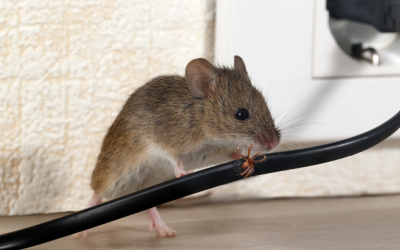
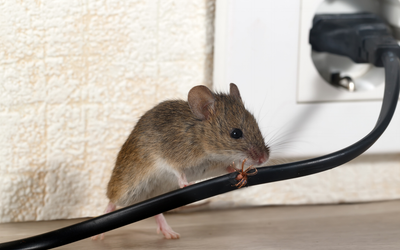
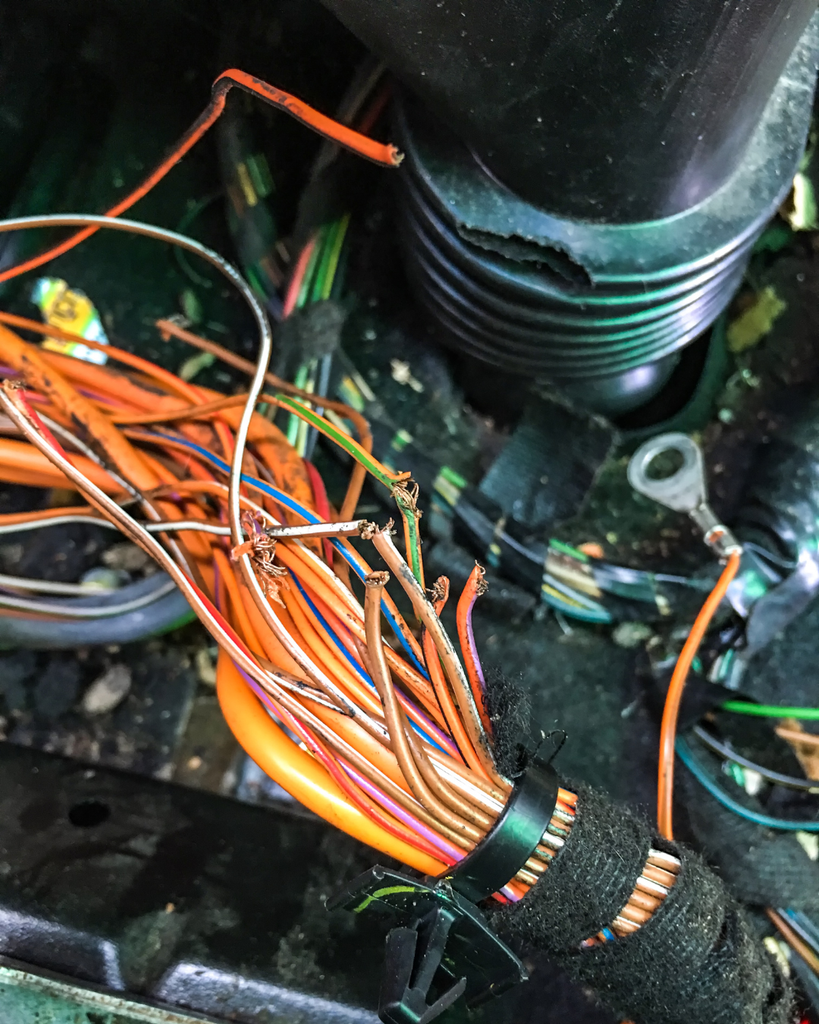
Shredded insulation. Acorns or nesting material tucked into a corner. Droppings. Maybe even a chewed wire.
Mice, rats, squirrels and other small animals can turn an engine compartment into a protected place to hide or nest. Vehicles that sit for extended periods can be especially vulnerable, but frequently driven vehicles aren’t necessarily immune. Current vehicle-care guidance recommends periodically checking for droppings, nesting material, damaged insulation, hoses and wiring.
And the problem isn’t limited to cars.
RVs, trucks, boats, tractors and other seasonal equipment can provide many of the same protected spaces.
The good news? There are several things you can do to make your vehicle much less inviting.
1. Know the Signs of Rodent Activity
Catching a problem early can make a big difference.
Look underneath the hood and around your vehicle for:
Chewed or exposed wiring
Damaged hoses or insulation
Droppings
Nesting material
Leaves, twigs, paper or stored food
Unusual odors
Acorns, seeds or other food tucked into the engine compartment
Also pay attention to unexplained dashboard warning lights or electrical problems.
If you find visibly damaged wiring, have the vehicle inspected by a qualified automotive professional before assuming it’s safe to drive.
2. Remove Things That Attract Rodents
Sometimes protecting your vehicle starts with what’s around the vehicle.
Don’t leave food, pet food, birdseed, garbage or other potential food sources in or around your car, garage or storage area.
The CDC specifically recommends not leaving food inside a vehicle because it can attract rodents. CDC
If you’re storing an RV or seasonal vehicle, clean out food before putting it away, even snacks forgotten inside cabinets or storage compartments.
3. Make the Garage or Storage Area Less Inviting
If rodents are already living in your garage, barn or storage building, protecting only the vehicle addresses part of the problem.
Look for openings around doors, walls, pipes, vents and the foundation.
The CDC recommends sealing holes and gaps to help keep rodents out of buildings, including garages and outbuildings. CDC
Also remove unnecessary nesting material and clutter around the area where vehicles are stored.
4. Check Vehicles That Sit for Long Periods
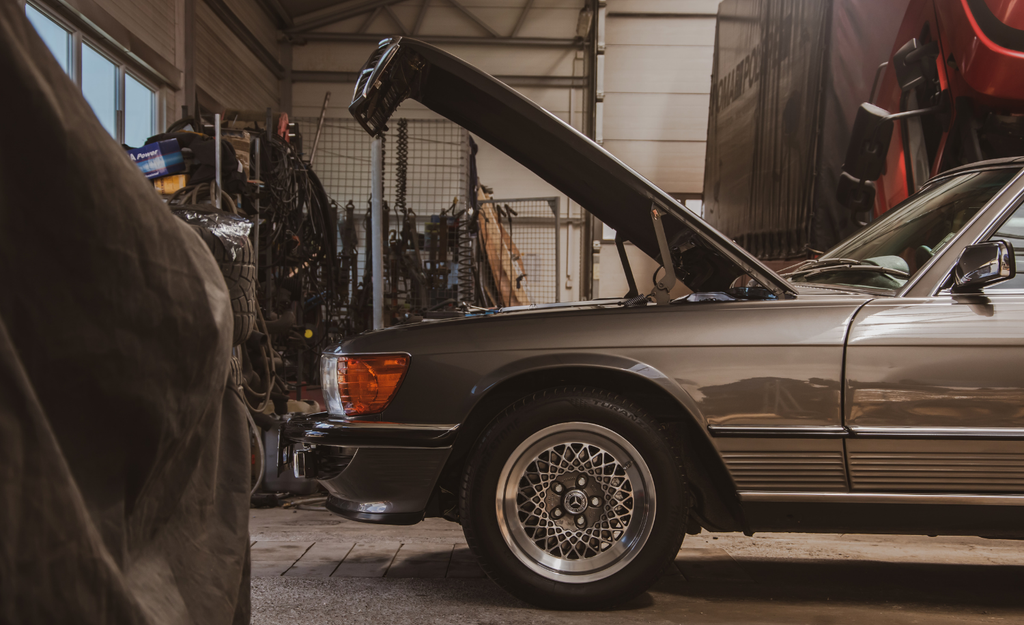
That classic car you only drive on weekends?
The RV waiting for next summer?
The tractor parked after harvest?
Those are exactly the kinds of vehicles you shouldn’t forget about.
The CDC notes that rodents may build nests in cars, trucks, campers and other vehicles, particularly when they’re used infrequently. CDC
Periodically open the hood and inspect the engine compartment rather than waiting until you’re ready to use the vehicle again.
This is particularly important before starting equipment that’s been sitting for an extended period.
5. Make the Engine Bay an Uncomfortable Place to Stay
Protect Your Vehicle While It’s Parked
The UltraSweep™ Traveler was designed specifically to help discourage rodents and other small animals from settling into protected vehicle spaces.
Instead of poison, sprays or traps, it combines fluctuating ultrasonic sound with bright flashing LED lights to make the engine compartment less inviting to pests.
The Traveler connects to a compatible vehicle’s 12-volt battery and operates automatically while the vehicle is parked. When the engine is running, the unit goes into standby mode.
How Does the UltraSweep Traveler Work?
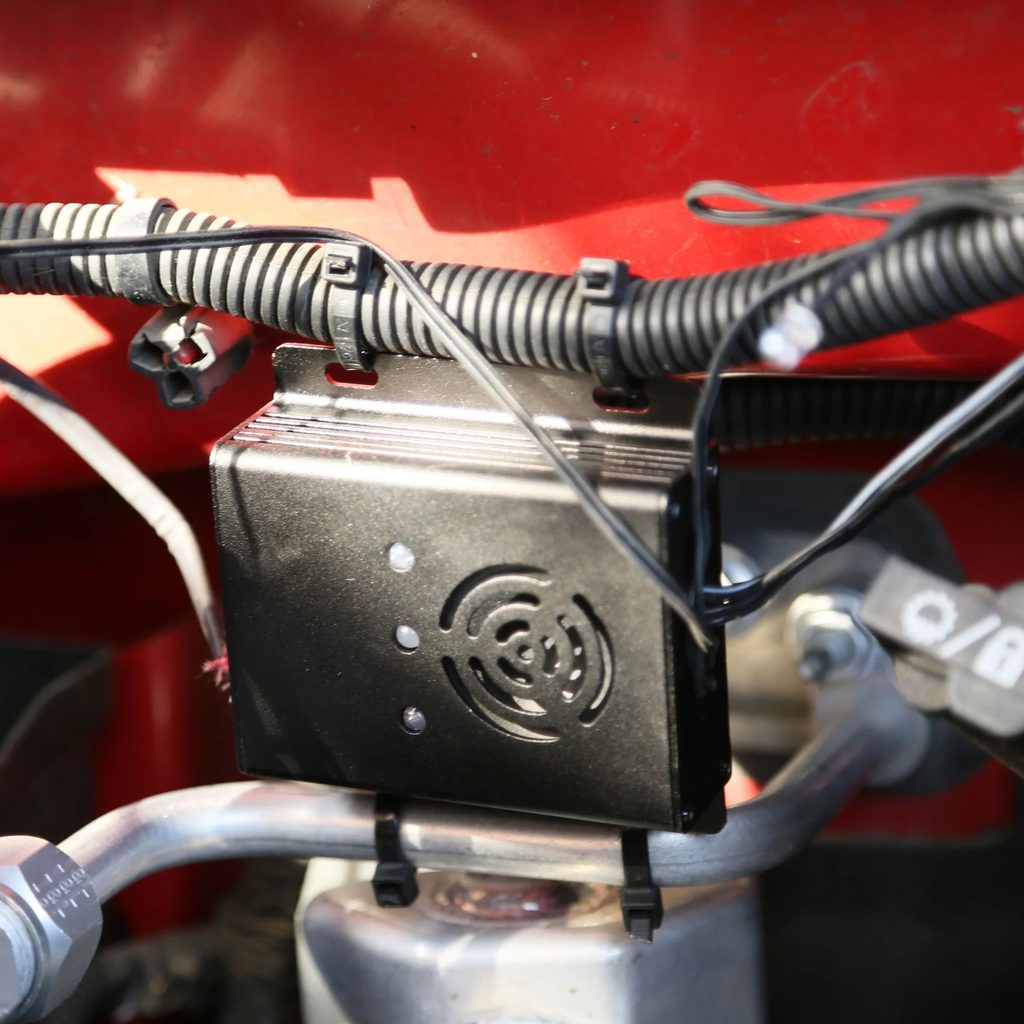
1. Mount It Under the Hood
Position the Traveler in an open area near the top of the engine compartment.
2. Position the LED Lights
Spread the LED lights around the engine area and secure them using cable ties.
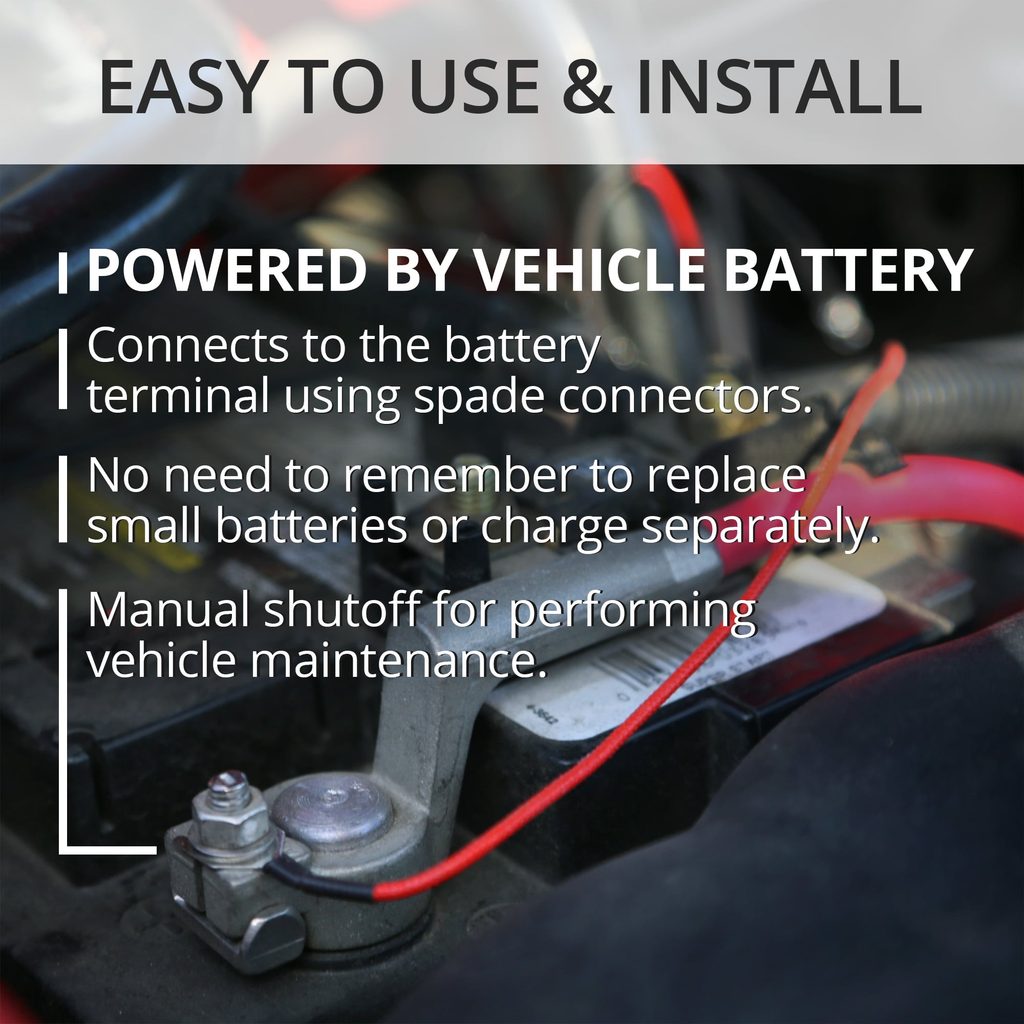
3. Connect It to the 12V Battery
The Traveler is hardwired to a compatible 12-volt automotive battery.
4. Let It Work While You’re Parked
When the engine is off, the Traveler operates automatically. When the vehicle is running, it switches to standby.
6. Protect More Than Your Everyday Car
Cars and Trucks
Protect everyday vehicles, secondary vehicles and cars that sit for longer periods.
RVs and Campers
RVs can spend weeks or months parked between trips, giving rodents plenty of uninterrupted time to investigate.
Boats
A trailered or stored boat can also contain protected spaces, wiring and other materials vulnerable to rodents.
Tractors and Farm Equipment
Equipment that spends long periods parked in barns, sheds or outside can also benefit from regular inspection and deterrence.
ATVs and Other Equipment
The same basic principle applies to other equipment with compatible electrical systems and protected areas where rodents can hide.

7. If Rodents Have Already Moved In, Clean Up Safely
If you discover droppings, urine, nesting material or a dead rodent, don’t immediately grab the shop vacuum or compressed air.
CDC guidance says not to vacuum or use a high-pressure sprayer on rodent urine, droppings or contaminated material before it has been properly disinfected. The CDC recommends ventilating a vehicle that has been sitting, wearing gloves, thoroughly wetting contaminated material with disinfectant, allowing the required contact time, and then removing it. CDC
If nesting material has reached the air intake system, the CDC also recommends removing the contaminated air filter and replacing it. CDC
For a substantial infestation, or if wiring, hoses or other components have been damaged, consult an appropriate automotive professional.
What About Peppermint Oil, Sprays and Other Rodent Repellents?
You will find plenty of home remedies online.
Peppermint oil, scent sprays and other odor-based deterrents are commonly discussed, but they also require ongoing application and can lose effectiveness as scents dissipate or wash away.
For someone who doesn’t want to continually remember to spray the engine compartment, an installed device offers a different approach.
The UltraSweep Traveler is designed to remain connected to the vehicle rather than requiring repeated application of a liquid or scent.
Will the UltraSweep Traveler Drain My Battery?
The Traveler draws power from the vehicle’s battery while operating.
Good Life currently recommends starting the vehicle to recharge the battery approximately every 1–3 weeks, although battery performance varies depending on factors including weather, battery condition and battery age.
Can I Use the UltraSweep Traveler With an Electric Vehicle?
The current UltraSweep Traveler specifications state that it is designed for an 8–12 volt power supply and can be used with vehicles that have an appropriate 12V backup/auxiliary battery. It is not compatible with 48V systems found in some North American electric vehicles. Ultimate Bark Control
If you’re unsure about your particular vehicle, check the vehicle specifications or speak with your mechanic before installation
Don’t Wait Until You Find Chewed Wires
Rodent prevention is much easier than discovering damage after your vehicle won’t start or warning lights suddenly appear.
Keep food and potential nesting material away from your vehicle. Inspect vehicles regularly. Pay extra attention to RVs, boats and equipment that remain parked for long periods. And make the engine compartment a less welcoming place for rodents before they decide to move in.
UltraSweep™ Traveler
Ultrasonic sound + flashing LED lights
Automatic operation while parked
Powered by a compatible 12V vehicle battery
Designed for cars, trucks, RVs, boats and stored vehicles
No poison or chemical sprays
1-year manufacturer’s warranty
60-day money-back guarantee