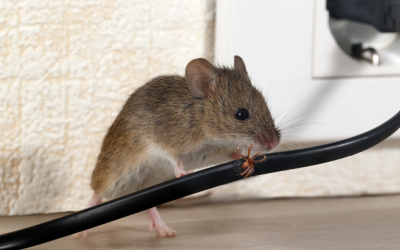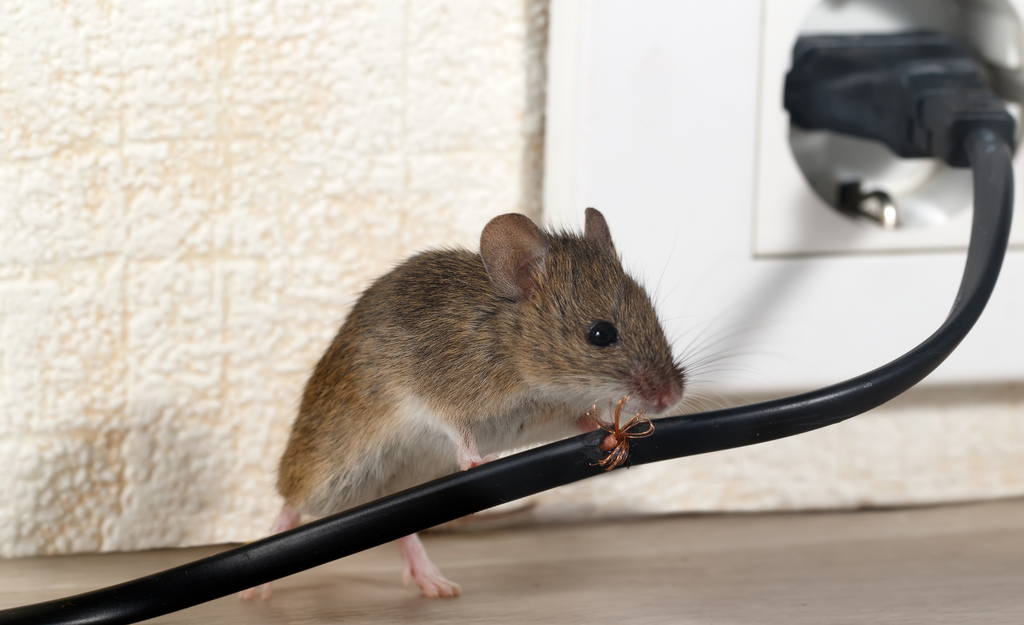
Found droppings, nesting material or signs of chewed wires? Here’s how to safely inspect your vehicle, clean it up and help keep mice from coming back.
Finding evidence of mice in your car can be more than an unpleasant surprise.
Mice and other rodents can build nests in engine compartments, air intakes and other protected spaces. They can also damage wiring, insulation, hoses and other vehicle components. Consumer Reports specifically recommends taking rodent damage seriously because chewed wiring can require professional assessment and potentially expensive repairs. Consumer Reports
So what should you do when you discover mice have been in your car?
Start by figuring out whether they’re still there, and how much damage they’ve caused.
1. Look for Signs of Mice in Your Car
You may never actually see the mouse.
Instead, look for the evidence it leaves behind:
Droppings or urine
Shredded paper, fabric or insulation
Leaves, twigs or nesting material
Acorns, seeds or stored food
Chewed wires or exposed insulation
Damaged hoses or belts
Unusual odors
Unexplained dashboard warning lights or electrical problems
Rodents can nest in surprisingly small spaces, including ducts and air intakes, so don’t limit your inspection to the most visible areas of the engine compartment.
2. Don’t Immediately Vacuum Up Mouse Droppings
If you find rodent droppings or nesting material, don’t start by sweeping or vacuuming it up.
The CDC says rodent urine, droppings and nesting material should be thoroughly wetted with disinfectant before removal. Vacuuming or sweeping contaminated material before it has been disinfected can put contaminated particles into the air. CDC
For a vehicle that has been sitting, the CDC recommends opening the hood, doors and trunk and allowing the vehicle and engine compartment to air out before inspecting it. Wear appropriate protective gloves while cleaning.
3. Check for Damage Before Driving
Once the area is safe to inspect, look carefully at the wiring, hoses, insulation and surrounding components.
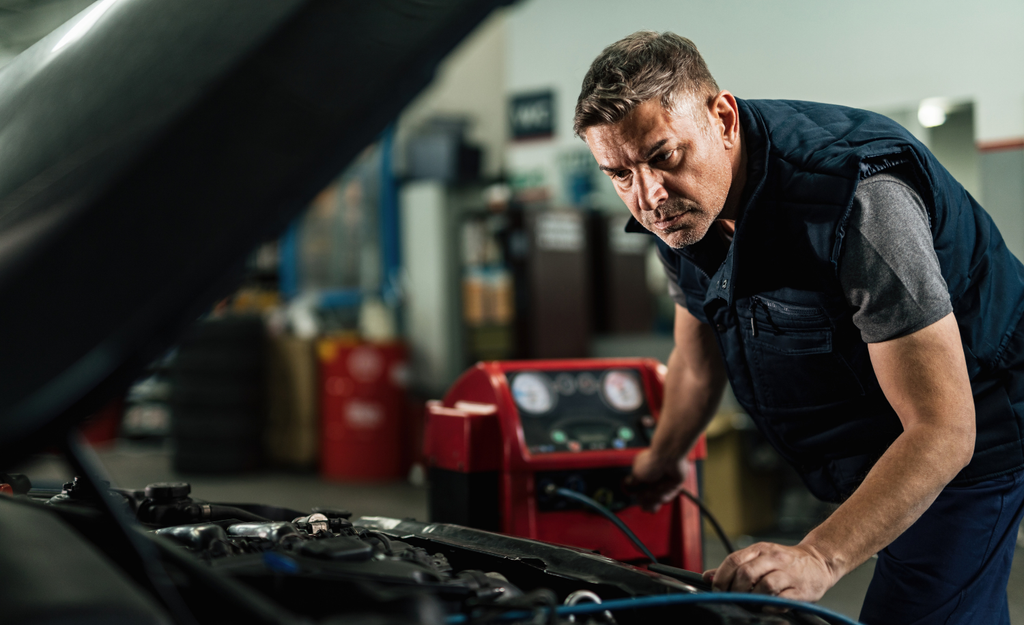
Chewed wiring isn’t something I’d encourage customers to repair themselves unless they have the appropriate automotive experience.
Consumer Reports advises that exposed or damaged wiring can be a serious concern and may require professional assessment before the vehicle is driven. Consumer Reports
If you’re unsure about what you’re seeing, have a qualified mechanic inspect it.
4. Check the Air Intake and Filter
Rodents don’t restrict themselves to the engine bay.
They can get into vehicle ventilation systems and use air intakes as nesting areas.
The CDC specifically advises checking air intakes and filters before starting a vehicle that has been sitting for an extended period. If nesting material is found in the air intake system, the contaminated filter should be removed and replaced.
5. Remove What Is Attracting Them
Once the immediate mess is handled, ask a second question:
Why did the mice choose your vehicle?
Food is an obvious attraction.
Remove snacks, pet food and other food sources from the vehicle. If the car is stored in a garage, also look around the surrounding area for birdseed, pet food, garbage or other readily available food.
The CDC specifically recommends not leaving food in a vehicle because it can attract rodents. CDC
Also clear unnecessary clutter and potential nesting material from around the area where the vehicle is parked.
6. Make the Engine Compartment Less Inviting
The customer has discovered the problem, cleaned it up and checked for damage.
Their next question is:
How do I keep the mice from coming back?
Help Keep Rodents From Coming Back
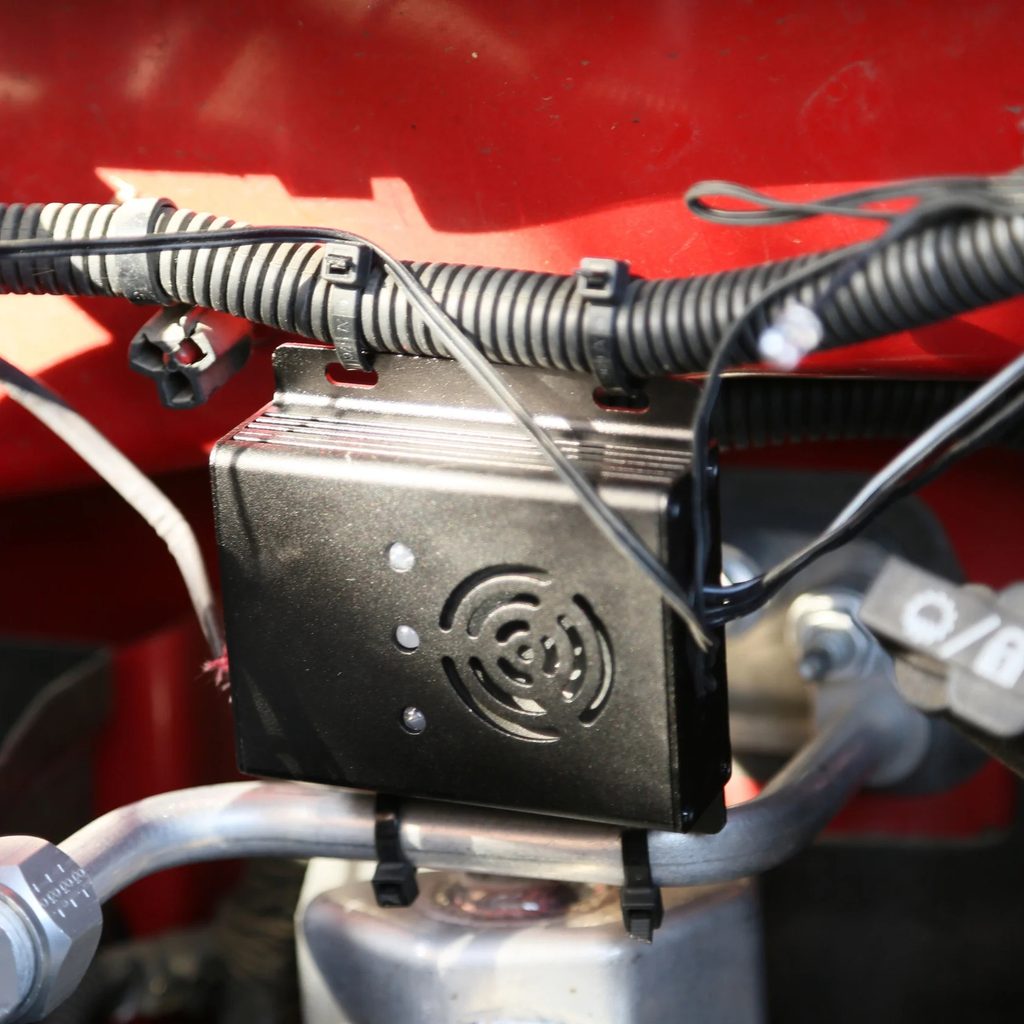
The UltraSweep™ Traveler is designed specifically to help discourage rodents and other small animals from settling in vehicle engine compartments.
It combines fluctuating ultrasonic sound with flashing LED lights to make the area less inviting without using poisons or chemical sprays. Ultimate Bark Control
The unit connects directly to a compatible 12V vehicle battery and automatically operates while the vehicle is parked. When the engine is running, the device switches into standby mode.
How the UltraSweep Traveler Works
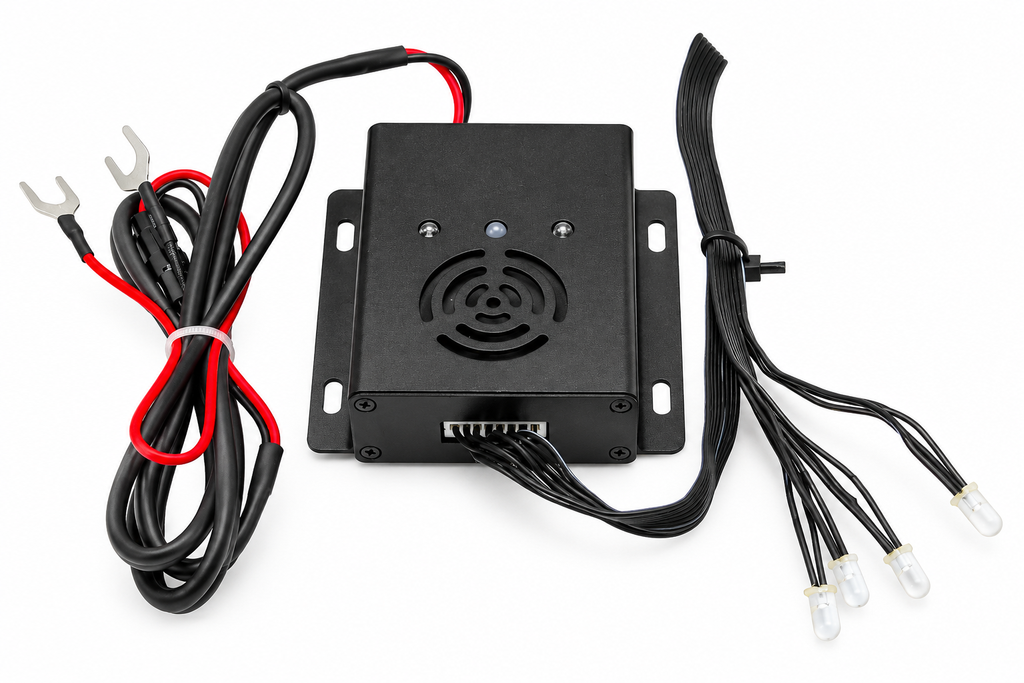
Ultrasonic Sound
The Traveler uses fluctuating ultrasonic frequencies to make the protected area uncomfortable for pests.
Flashing LED Lights
LED strands add a visual deterrent throughout the dark engine compartment.
Automatic Operation
The device operates while the engine is off and switches to standby when the engine is running.
No Poison or Chemical Sprays
The system provides an alternative for customers who don’t want poisons, traps or repeated chemical applications around their vehicles.
How to Install the UltraSweep Traveler
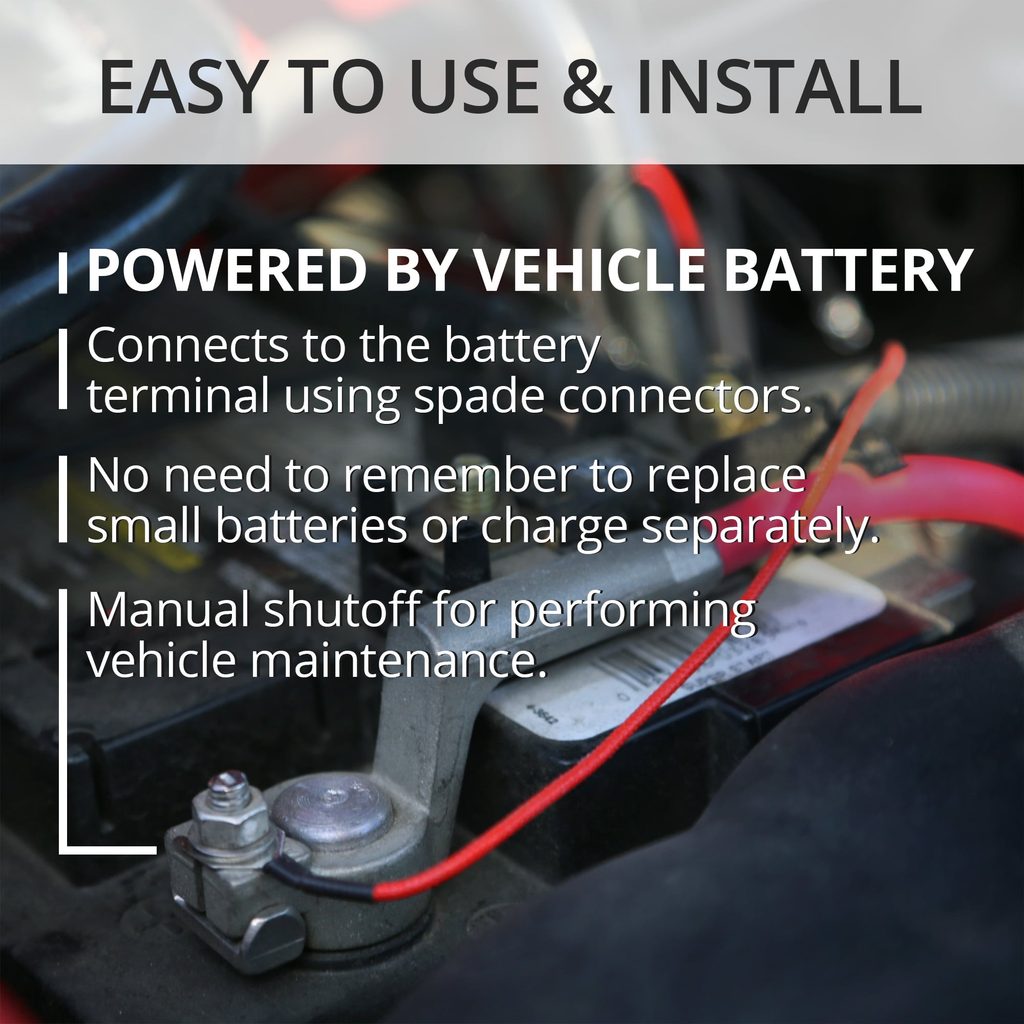
The current installation process is straightforward:
- Mount the Traveler in an open area near the top of the engine compartment.
- Position the LED lights around the engine and secure them with cable ties.
- Connect the unit to the vehicle battery, black negative wire first, followed by the red positive wire.
Once installed, you don’t need to remember to turn the unit on every time you park.
What If My Car Sits for Long Periods?
Cars that aren’t driven regularly deserve extra attention.
The CDC notes that rodents may build nests in cars, trucks, campers and other vehicles, particularly when they’re used infrequently. CDC
That means it’s worth regularly checking:
Project cars
Seasonal vehicles
RVs and campers
Farm vehicles and equipment
Boats in storage
Cars parked while you’re traveling
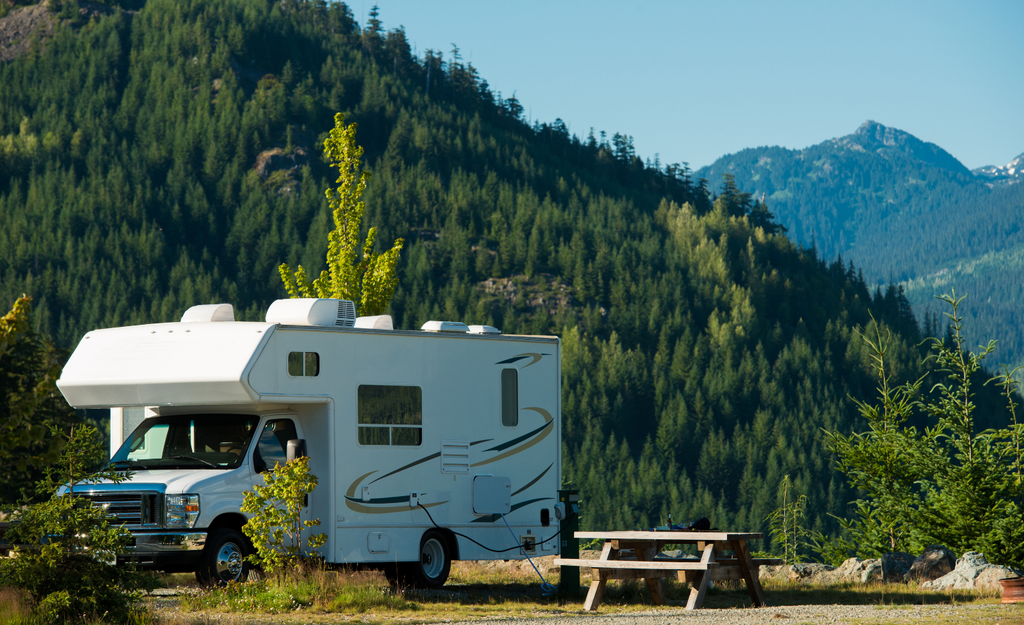
The UltraSweep Traveler is designed for cars, trucks, RVs, boats and stored vehicles with an appropriate electrical system.
Will the UltraSweep Traveler Drain My Car Battery?
The Traveler draws power from the vehicle battery while operating. Good Life currently recommends starting the vehicle to recharge its battery approximately every 1–3 weeks. Actual battery performance varies with factors including battery condition, age and weather.
For a vehicle that will sit for a very long period, the owner should take the vehicle’s overall battery-maintenance needs into consideration.
Can I Use It in an Electric Vehicle?
The UltraSweep Traveler uses an 8–12V supply and is compatible with vehicles that have an appropriate 12V auxiliary/backup battery. It is not compatible with 48V systems found in some North American electric vehicles.
If there’s any uncertainty about a particular vehicle’s electrical system, the owner should check the vehicle specifications or ask a qualified automotive professional.
Get the Mice Out, and Help Keep Them Out!
Finding evidence of mice in your car calls for two different actions.
First, deal with the problem that’s already there.
Safely remove contaminated material, inspect the vehicle and repair any damage.
Then work on preventing the next infestation.
Remove food and other attractants, regularly inspect the vehicle and make the engine compartment a less inviting place for rodents.
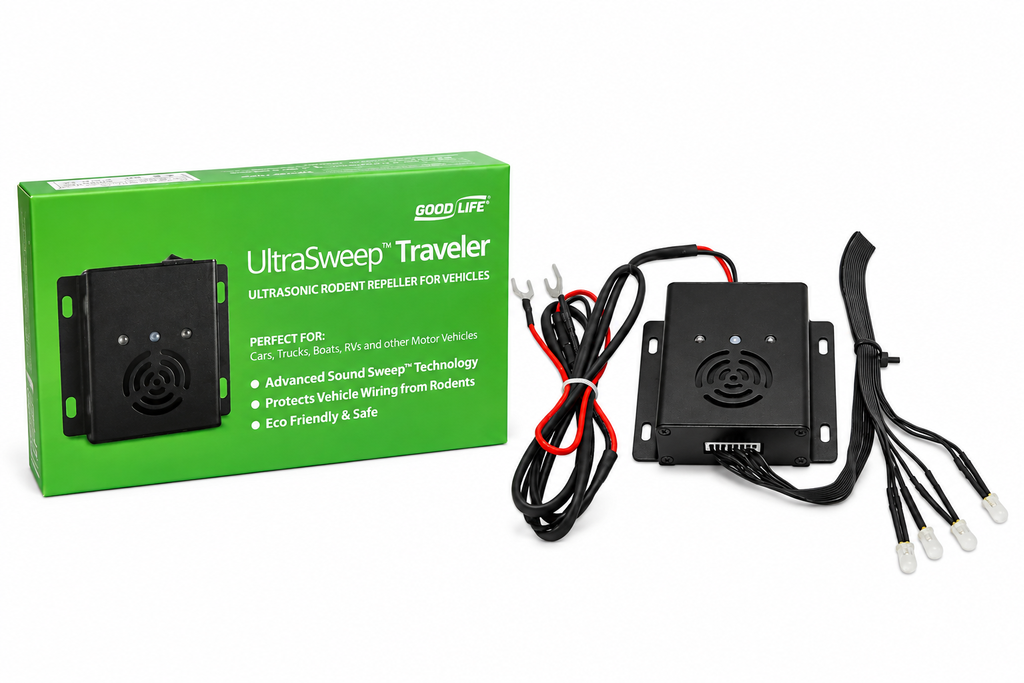
UltraSweep™ Traveler
Ultrasonic sound + flashing LED lights
Automatic operation while parked
Hardwired to a compatible 12V automotive battery
Designed for cars, trucks, RVs, boats and stored vehicles
No poison or chemical sprays
1-year manufacturer’s warranty
60-day money-back guarantee