
Living with a dog in an apartment comes with unique challenges. Learn how to manage barking, teach good manners, establish routines, and keep your dog happy, even without a backyard.
Living in an apartment doesn’t mean you can’t have a happy, well-trained dog.
Dogs of many sizes and energy levels can thrive in smaller homes when their physical, mental, and social needs are met.
But apartment living does present some unique challenges. Your dog may hear neighbors walking through hallways, elevators opening, doors closing, and other dogs barking nearby. Without a private yard, exercise and bathroom routines also require more planning.
The good news? You don’t need a large house to raise a well-mannered dog.
Here are 10 practical apartment dog training tips to help make life easier for you, your dog, and your neighbors.
1. Establish a Consistent Daily Routine
Dogs benefit from knowing what to expect.
When meals, walks, bathroom breaks, and rest happen at reasonably predictable times, it’s easier for your dog to understand the household routine.
Start by building a schedule around your dog’s individual needs.
A typical apartment dog routine might look like this:
| Time of day | Activity |
|---|---|
| Morning | Bathroom break, walk, breakfast |
| Midday | Bathroom break, play or enrichment |
| Afternoon | Short training session, rest |
| Evening | Walk, dinner, play |
| Before bed | Final bathroom break, quiet time |
Puppies, senior dogs, and dogs with medical needs may require more frequent bathroom trips.
The important thing isn’t following a rigid schedule. It’s creating consistency.
2. Teach Your Dog to Be Comfortable With Apartment Sounds
One of the biggest differences between apartment living and living in a detached house is how many unfamiliar noises your dog may hear.
Footsteps in the hallway, neighboring dogs, delivery workers, and elevator doors can all trigger barking or alertness.
Rather than waiting until your dog develops a habit of reacting to every sound, begin practicing calm responses.
Start with noises your dog can hear without becoming distressed. Reward them when they notice the sound and remain relaxed.
Gradually practice around normal apartment activity, always allowing your dog to move away if they’re uncomfortable.
The goal isn’t to make your dog ignore everything. It’s to help them learn that ordinary building sounds don’t always require a reaction.

3. Teach Basic Commands That Matter in Small Spaces
Basic obedience becomes especially valuable when you’re sharing a smaller home.
Focus on commands that make everyday apartment life easier.
- Sit: Useful before putting on a leash or greeting someone.
- Stay: Helps your dog remain in place briefly.
- Wait: Particularly helpful at apartment doors and elevators.
- Leave it: Helps prevent your dog from picking up food or other objects.
- Come: Builds a reliable recall.
- Place or settle: Teaches your dog to relax on a designated bed or mat.
Practice in short sessions and reward your dog for successful responses.
Start in a quiet room before introducing distractions.
4. Make Exercise a Priority, Even Without a Backyard
A backyard is convenient, but it isn’t a substitute for exercise, enrichment, or time with an owner.
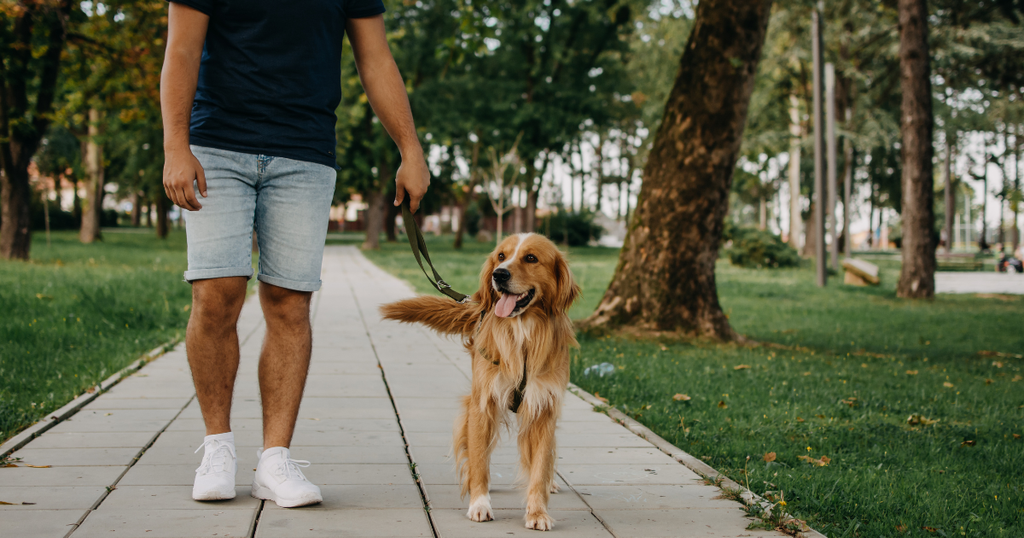
Apartment dogs still need opportunities to walk, sniff, explore, and play.
The amount and type of activity will depend on your dog’s age, breed, health, and individual energy level.
Consider combining neighborhood walks with sniffing activities, appropriate games, and short training sessions.
5. Prevent Boredom With Mental Enrichment
Physical exercise is only part of keeping an apartment dog content.
Mental enrichment gives dogs opportunities to investigate, solve problems, and use their natural behaviors.
Try a puzzle feeder, snuffle mat, treat-search game, food-stuffed toy, or a short training session.
You don’t need much floor space to create an interesting activity.
For example, hide a few pieces of your dog’s regular kibble around a safe room and encourage them to find them.
Always choose toys and chews appropriate for your dog and supervise as needed.
6. Train Your Dog Not to Bark at Every Noise
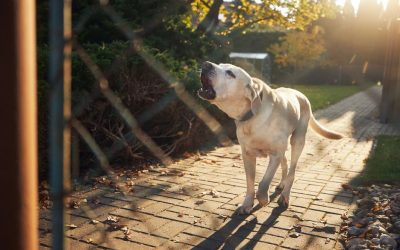
Dogs bark for many reasons, including excitement, territorial behavior, frustration, fear, and attention seeking.
In an apartment, barking can become especially disruptive because neighbors may share walls, ceilings, and hallways.
Before deciding how to address barking, identify what triggers it.
If your dog barks at hallway noises
Try moving their resting area farther from the entrance and rewarding calm behavior when noises occur.
If your dog barks at people outside the window
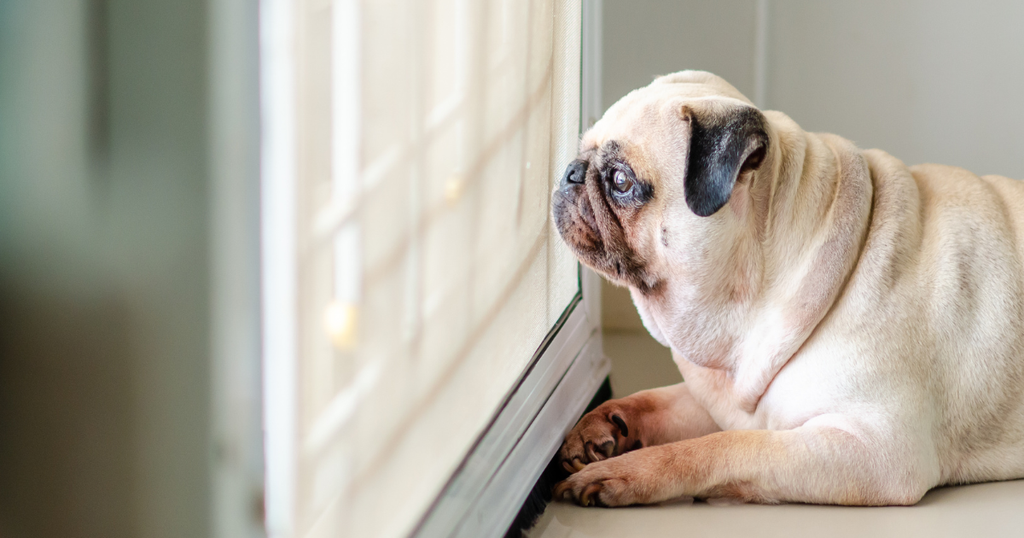
Limit access to the view when necessary and teach an alternative behavior, such as going to a mat.
If your dog barks for attention
Reward appropriate requests and quiet behavior rather than automatically responding to repeated barking.
If your dog barks when left alone
Pay close attention to whether the barking is accompanied by pacing, destruction, panic, or other signs of separation-related distress.
That situation requires a different approach from ordinary nuisance barking and may warrant help from a veterinarian or qualified behavior professional.
The goal isn’t to stop every bark. It’s to understand why the barking happens and help your dog respond differently.
6 Types of Dog Barks and What They Really Mean
7. Practice Calm Greetings at the Apartment Door
In apartment buildings, dogs may encounter neighbors, visitors, and delivery workers more frequently.
Teach your dog what to do when someone approaches the door.
Begin by practicing a simple routine:
- Ask your dog to go to a designated mat or resting spot.
- Reward them for remaining there briefly.
- Practice opening the door without a visitor.
- Gradually introduce familiar visitors.
- Continue rewarding calm behavior.
If your dog is fearful or reactive, keep them at a comfortable distance rather than forcing greetings.
8. Make Potty Training Easier in an Apartment
House training can require extra planning when you don’t have immediate access to a yard.
Take your dog to a consistent outdoor bathroom location and reward successful bathroom trips.
Puppies may need to go out after sleeping, eating, playing, and drinking.
Avoid punishing accidents. Instead, clean them thoroughly and adjust your schedule to provide more opportunities to succeed.
If you live on an upper floor, allow enough time to reach the outdoor bathroom area.
9. Help Your Dog Feel Comfortable When Home Alone
Some apartment dogs struggle with being alone, particularly after a move or change in routine.
Start with very brief, manageable absences and build gradually.
Give your dog a comfortable resting area and an appropriate enrichment activity if they can use it safely while unsupervised.
Avoid assuming that prolonged barking or destructive behavior is simply boredom.
If your dog becomes highly distressed when you leave, speak with your veterinarian or a qualified behavior professional.
10. Be Considerate of Your Neighbors
A dog-friendly apartment community works best when everyone respects shared spaces.
Keep your dog leashed where required, clean up after them, practice polite elevator behavior, and avoid allowing repeated barking in common areas.
If a neighbor reports a barking problem, try to understand when it happens and what may be triggering it.
A camera or audio recording inside your own apartment can sometimes help you identify patterns when you’re away.
The goal is to create a comfortable home for your dog without making life unnecessarily difficult for the people around you.
Need Additional Help With Apartment Barking?
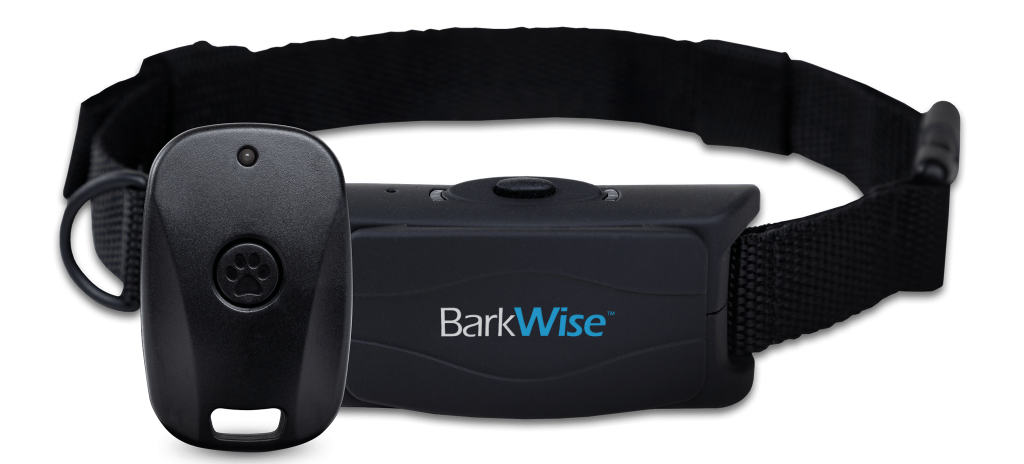
BarkWise Complete
BarkWise Complete is designed for owners who want help with their own dog’s nuisance barking.
It automatically detects barking and responds using ultrasonic sound and vibration rather than electrical shock. The included remote also allows manual operation from up to 75 feet away.
Why BarkWise May Be Useful for Apartment Dogs
- Automatic bark detection
- No electrical shock
- Ultrasonic sound and vibration
- Rechargeable battery
- Manual remote included
- Adjustable collar for necks approximately 6–24 inches
- IPX4 splash resistance
- One-year manufacturer’s warranty and 60-day money-back guarantee
BarkWise is intended to support consistent training for nuisance barking. It isn’t a substitute for addressing separation anxiety, fear, pain, or other underlying causes.
Want More Hands-On Training?
For owners who want to actively teach commands and redirect behavior, the Happy Tails Training Collar is another option.
Happy Tails uses eight tones and three vibration levels without electrical shock. Its remote-controlled operation makes it different from BarkWise, which can detect and respond to barking automatically.
Apartment Dog Training Checklist
☐ Establish a consistent walking and bathroom routine
☐ Teach sit, stay, wait, and leave it
☐ Practice calm responses to hallway sounds
☐ Provide daily physical activity and enrichment
☐ Set up a comfortable resting area
☐ Practice calm greetings at the apartment door
☐ Work gradually on comfortable alone time
☐ Identify and address barking triggers
☐ Reward desirable behavior consistently
☐ Respect shared spaces and neighbors
Check out the Good Life Inc. blog today for more information on how to train and bond with your pup!
Sources
National Library of Medicine – Improving dog training methods: Efficacy and efficiency of reward and mixed training methods
TIME Magazine – How Science is Revolutionizing the World of Dog Training