
Bringing home a rescue dog? Use this practical checklist to make their first days safer, calmer and more comfortable.
Did you know October is Adopt a Dog Month? Since 1981, the American Humane Society has celebrated this month as a time for individuals and families to consider welcoming a furry friend into their home. This initiative aims to help the estimated 3 to 4 million animals in shelters each year get the loving forever homes they deserve.
Whether you live by yourself or have a large family, adding a dog to the household is an experience that comes with its own set of responsibilities. Preparing for a new dog can seem overwhelming, but with careful planning and consideration, it can be an exciting and rewarding experience.
Understanding the significance of this decision, we’ve compiled a list of helpful tips to prepare your home for Adopt a Dog Month and make the transition into dog ownership smooth and enjoyable.
1. Dog-Proof Your Home Before They Arrive
Don’t wait until your new dog is exploring the house to discover what they can reach.
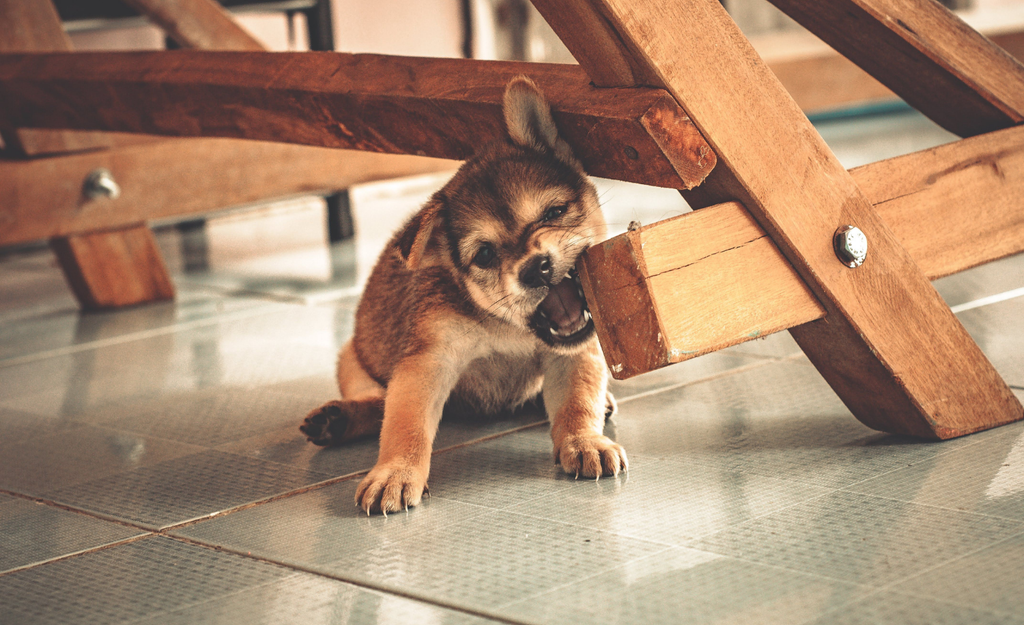
Walk through your home from a dog’s perspective and secure things that could be chewed, swallowed or knocked over.
Pay particular attention to electrical cords, medications, household cleaners, trash cans, small objects, food and potentially dangerous plants.
If you’re adopting a puppy, assume that almost anything within reach may eventually end up in their mouth. It’s important to note that some houseplants, such as spider plants, are poisonous to dogs and should be kept somewhere high beyond your dog’s reach.
2. Check Your Yard and Fence
Before letting your new dog loose in the backyard, walk the entire perimeter.
Look for loose fence boards, gaps underneath fencing, gates that don’t latch securely and anything your dog could climb onto and use to escape.
Remember that you don’t yet know exactly how your new dog will behave in an unfamiliar environment.
For the first several days, supervise outdoor time until you’ve learned more about your dog’s habits.
3. Create a Quiet Place Just for Your Dog
Your new dog doesn’t need access to the entire house on day one.
In fact, a smaller, comfortable space can make the transition less overwhelming.
Set up a quiet area with a bed or crate, fresh water and a few appropriate toys. Give your dog somewhere they can retreat without being constantly approached by family members or visitors.

4. Have the Essentials Ready
Before your dog comes home, have the basics waiting.
Food and water bowls, appropriate dog food, leash, properly fitted collar or harness, identification tag, comfortable bed or crate, waste bags, grooming supplies, toys and a few training treats are a good starting point.
If possible, ask the shelter or rescue what food the dog has been eating. Abruptly changing foods while the dog is also adjusting to a new environment may make an already-big transition more difficult.
5. Don’t Overwhelm Your Dog on Day One
It’s tempting to make your dog’s homecoming an event.
The kids want to play. Friends want to visit. Everyone wants pictures.
Your dog may have a different idea.
Give them time to explore at their own pace. Keep the first day relatively quiet and don’t force interactions.
Some newly adopted dogs settle in quickly. Others need considerably more time before their personality and normal behavior begin to emerge.
6. Establish a Routine
Dogs often benefit from predictability, particularly while adapting to a new environment.
Try to establish regular times for meals, bathroom breaks, walks, play, training and bedtime.
Your dog doesn’t need a super strict schedule. The goal is simply to make daily life more predictable while they’re learning what happens in their new home.
7. Start Training With the Basics
You don’t have to begin with complicated commands.
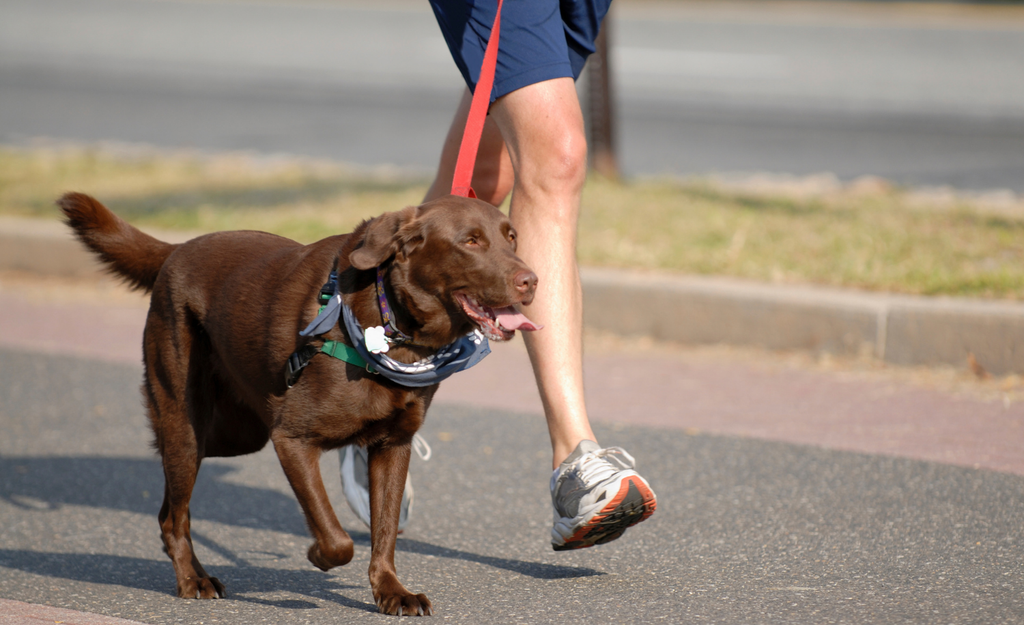
Start with the behaviors that make everyday life easier: responding to their name, coming when called, sitting, waiting at doors, walking appropriately on a leash and settling calmly.
Keep early training sessions short and reward the behavior you want to see repeated.
And remember: your newly adopted dog is also learning you: your voice, body language, routines and expectations.
Humane bark control technology is an effective, non-invasive solution to reinforce positive relationships between pets and pet owners.
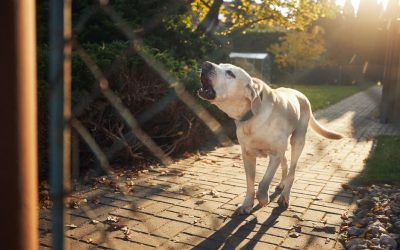
8. Expect Some Barking While Your Dog Adjusts
A new dog may bark more than you expect.
They may react to unfamiliar sounds, people walking past the window, delivery drivers, other dogs, the doorbell or simply being alone in an unfamiliar place.
Rather than treating every bark as bad behavior, first ask why your dog is barking.
Exercise, environmental changes, reducing visual triggers and consistent training can often help.
If nuisance barking continues after your dog has had some time to settle in, a no-shock training tool can become part of your training routine.
Need Some Help With Excessive Barking?

No-Shock Help for Nuisance Barking
BarkWise Complete is designed for dogs that need help with nuisance barking.
Unlike a shock collar, BarkWise uses ultrasonic sound and vibration. It can automatically detect your dog’s barking and respond, or you can activate it manually with the included remote.
That makes it particularly useful when you’re beginning to understand your newly adopted dog’s barking triggers and establishing a consistent training routine.
Want More Hands-On Training?
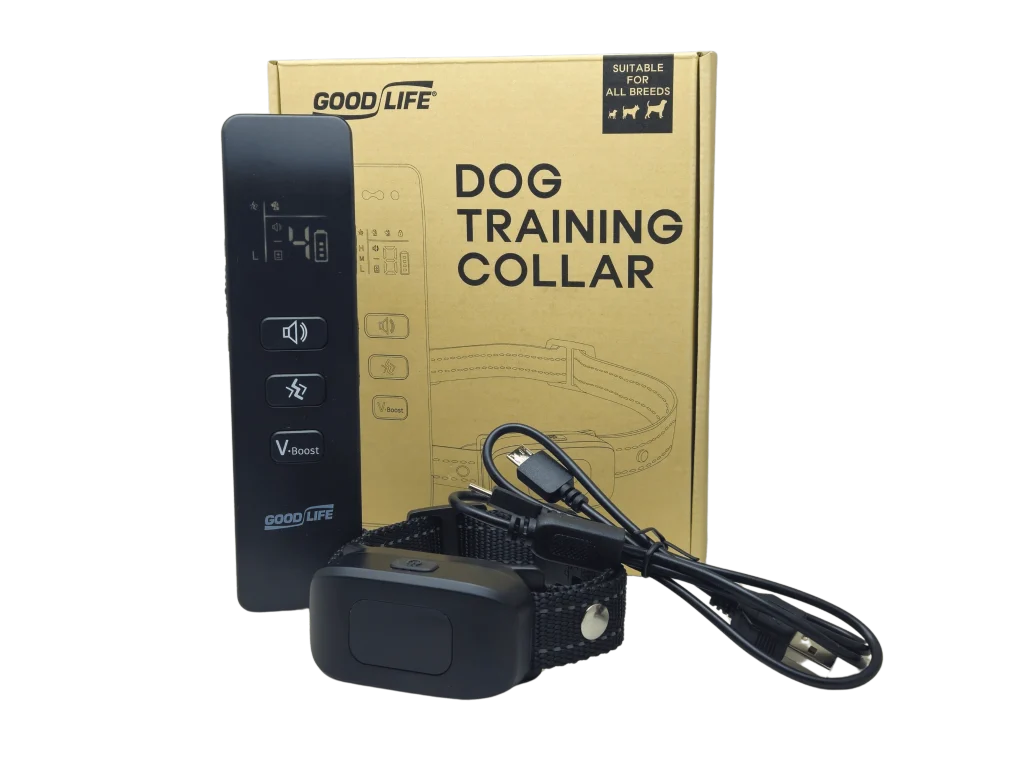
If you want to work directly with your dog during walks, recall practice or other active training sessions, the Happy Tails Training Collar provides remote-controlled tones and three vibration levels without shock. One remote can also control two collars.
9. Schedule a Veterinary Visit
If your shelter or rescue hasn’t already arranged follow-up care, schedule an appointment with your veterinarian.
Bring any medical and vaccination records supplied by the shelter.
Your veterinarian can help you establish appropriate nutrition, vaccination, parasite prevention, dental care and other health needs based on your dog’s age and history.
For questions involving a puppy or a dog with known medical or behavioral concerns, professional guidance is particularly important.
10. Give Your New Dog Time
One of the most important things you can give a newly adopted dog doesn’t cost anything.
Time.
Don’t worry if your dog doesn’t immediately behave like the dog you imagined bringing home.
They’re learning an entirely new life.
Focus on creating predictable routines, rewarding good behavior, providing appropriate exercise and building trust one day at a time.
Love Your Newest Family Member!
Adopting a dog is a joyous occasion. By participating in Adopt a Dog Month, you are giving a dog a second chance at life and providing it with a loving home where it can be happy and healthy!
By puppy-proofing your home, creating a safe haven, stocking up on the essentials, considering humane bark control, and seeking professional guidance, you’re well on your way to welcoming your new canine companion this Adopt a Dog Month!
Visit the Good Life Inc. blog for more insights to help your furry friends.
Need a Little Help With Training?
Good Life offers no-shock training solutions designed to help with nuisance barking and everyday training.
Sources:
American Humane – Adopt a Dog Month